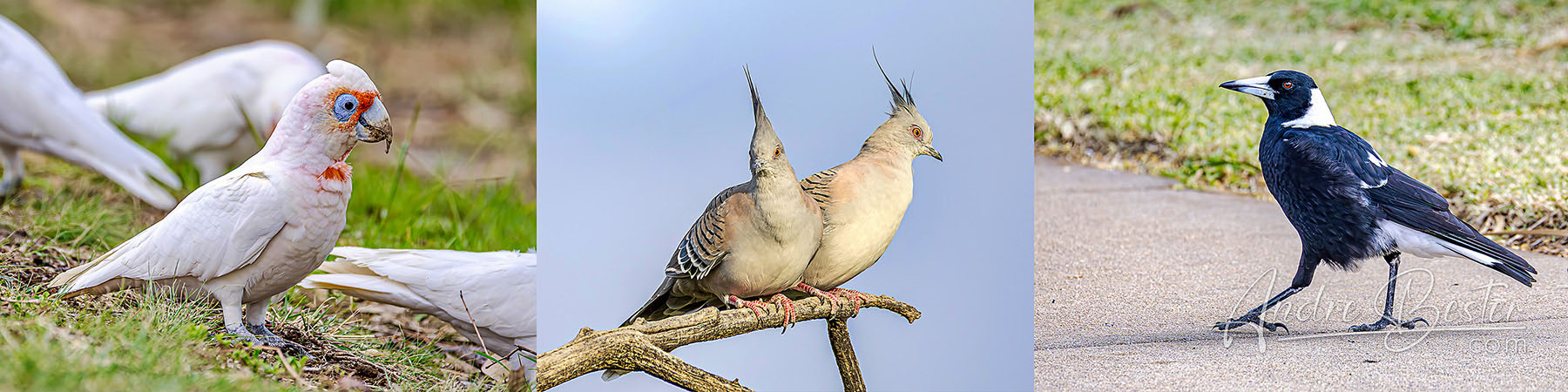
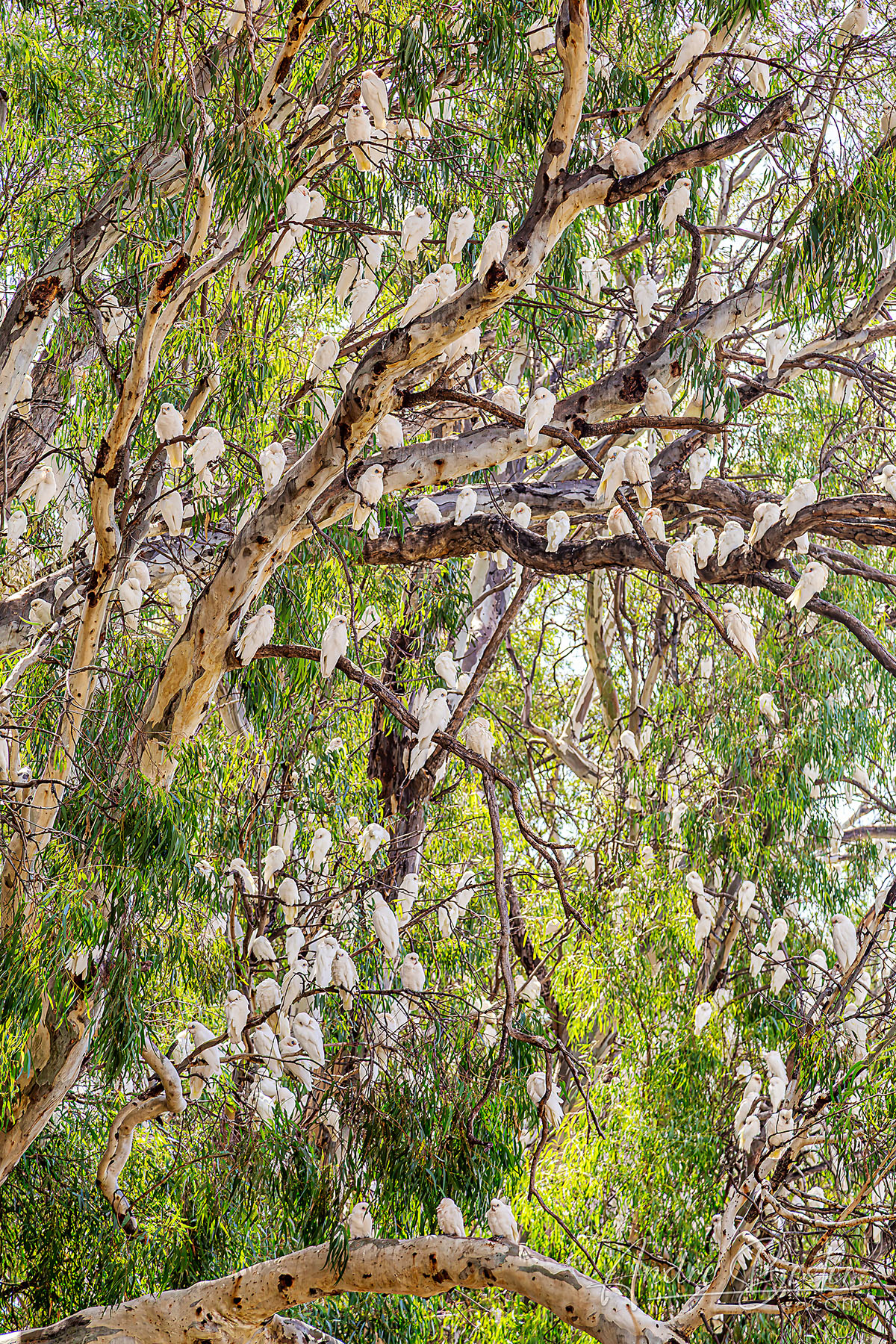
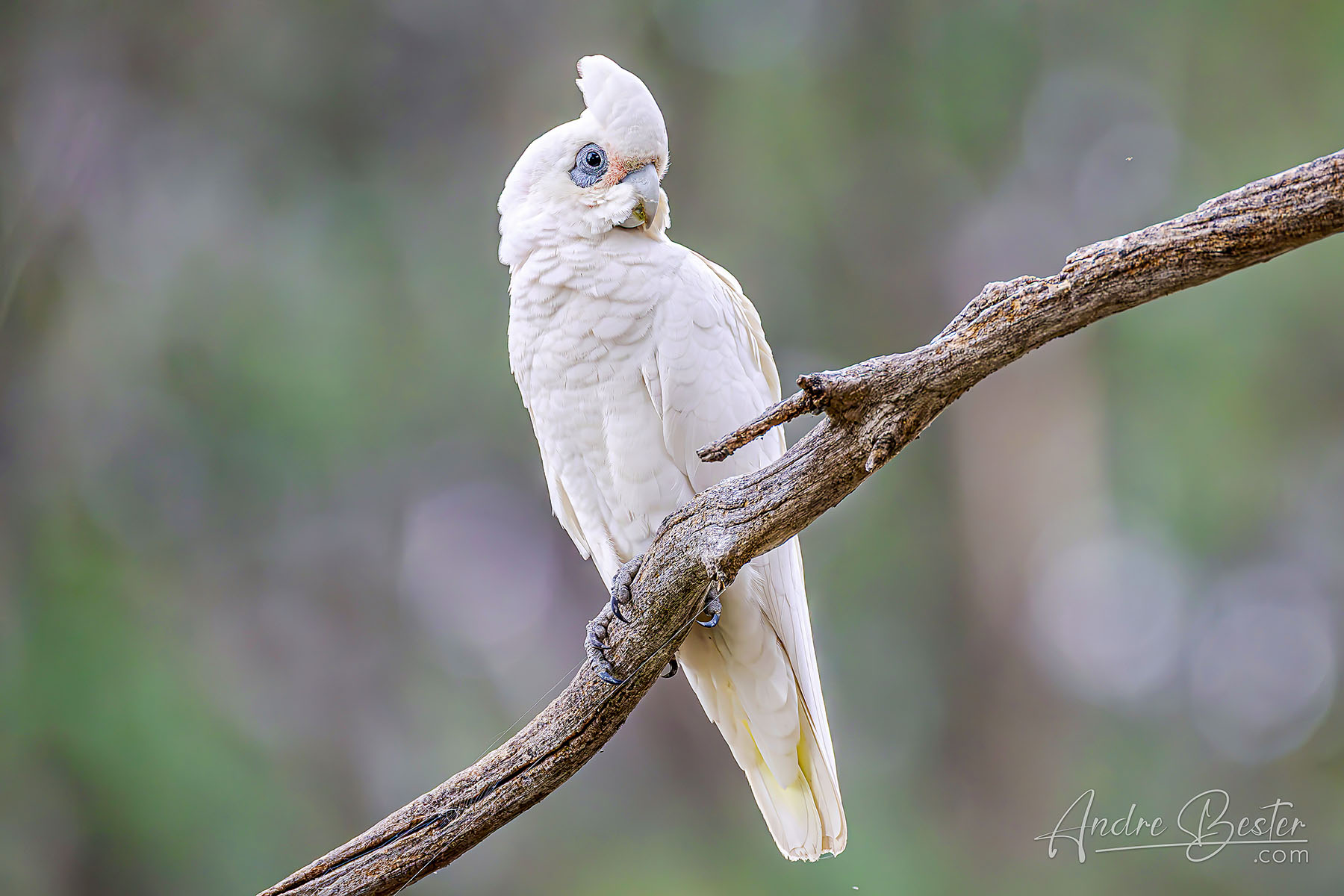
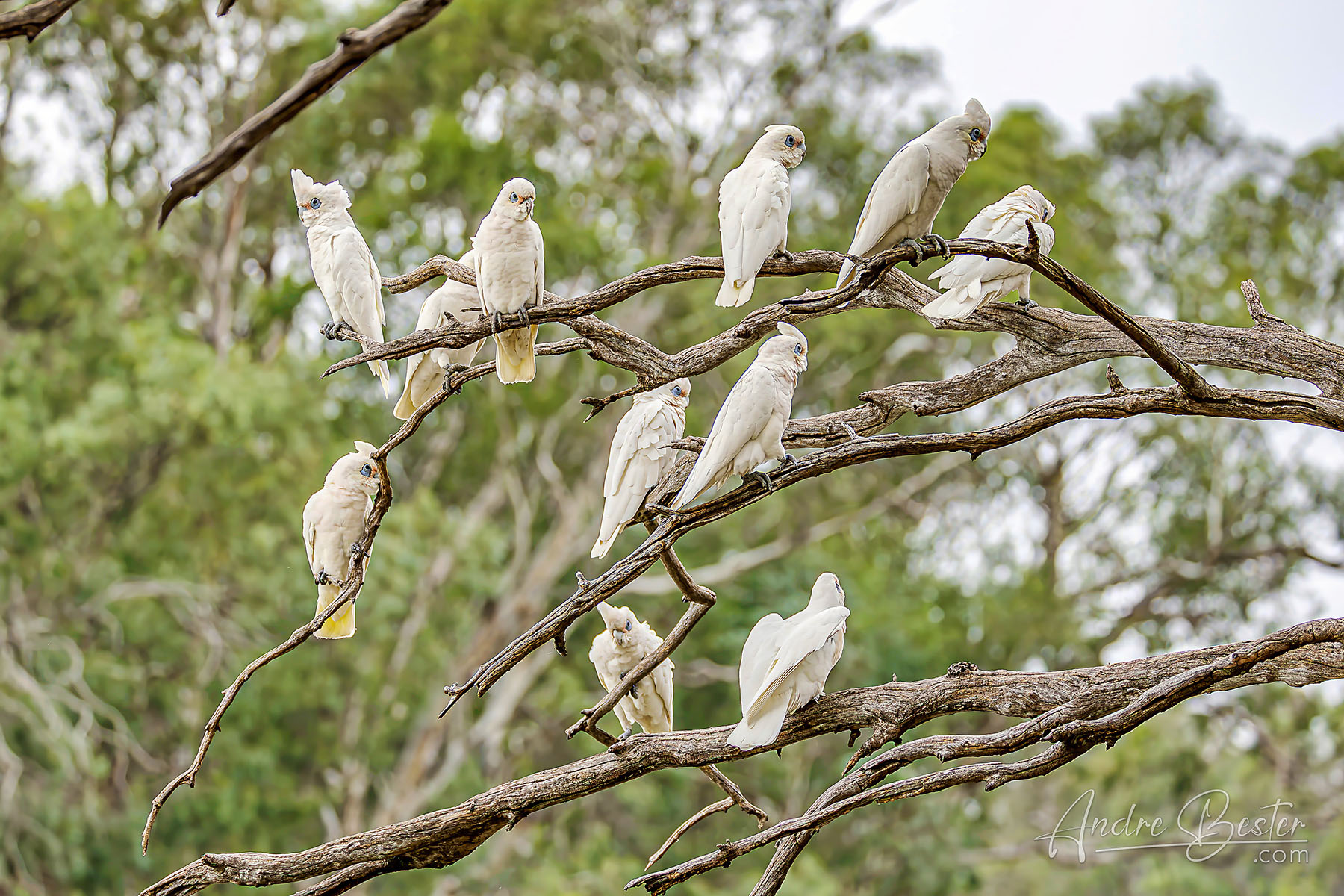
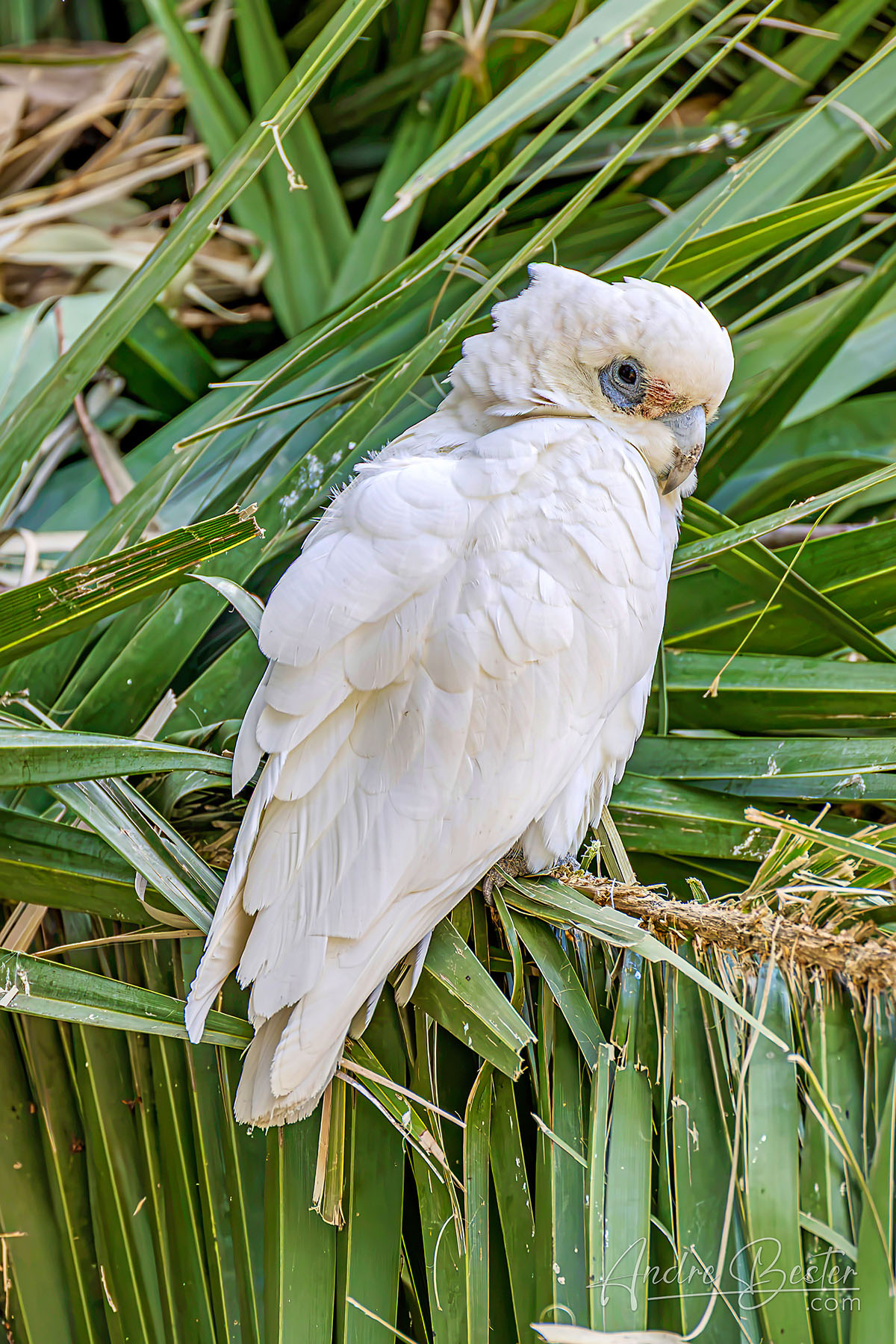
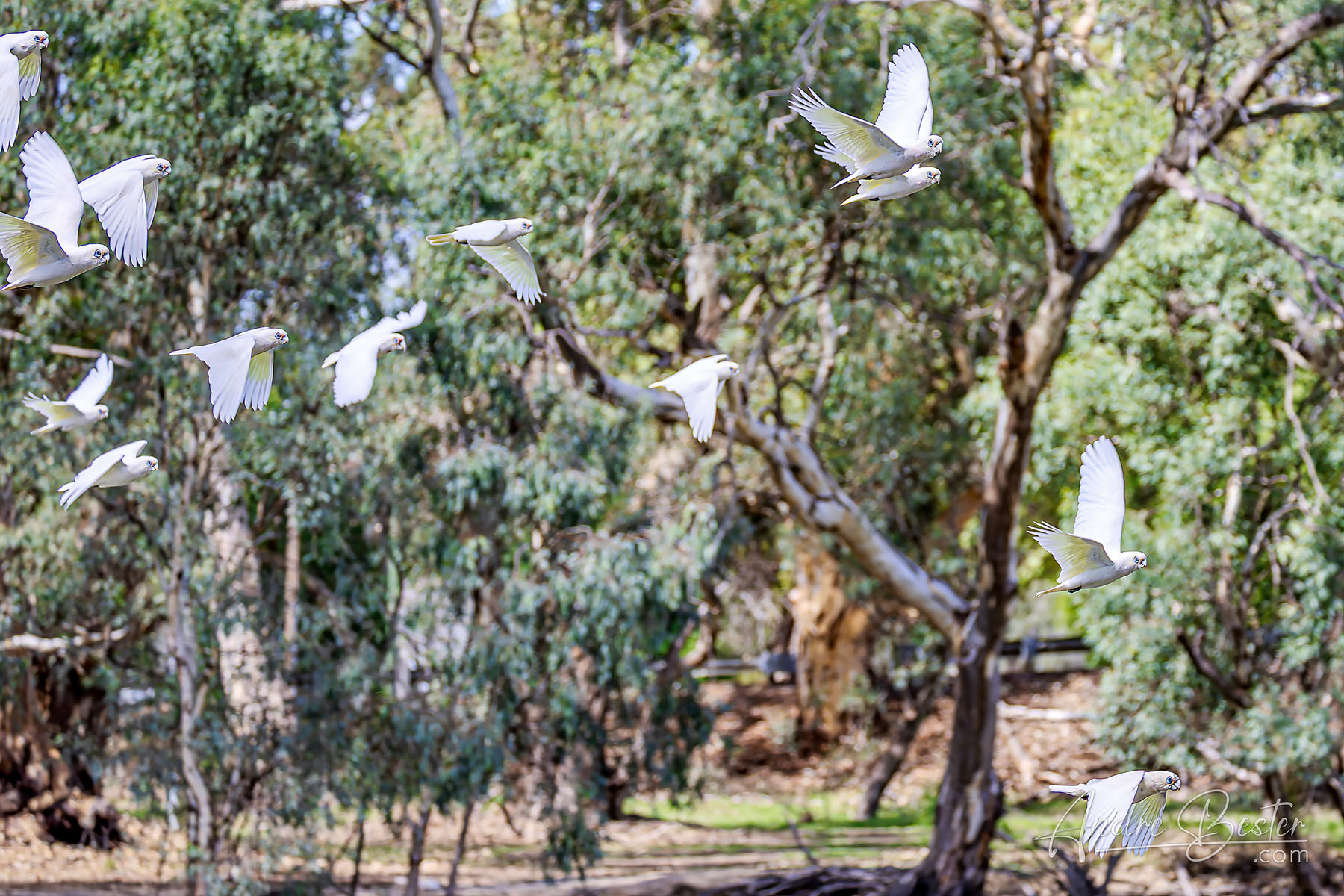
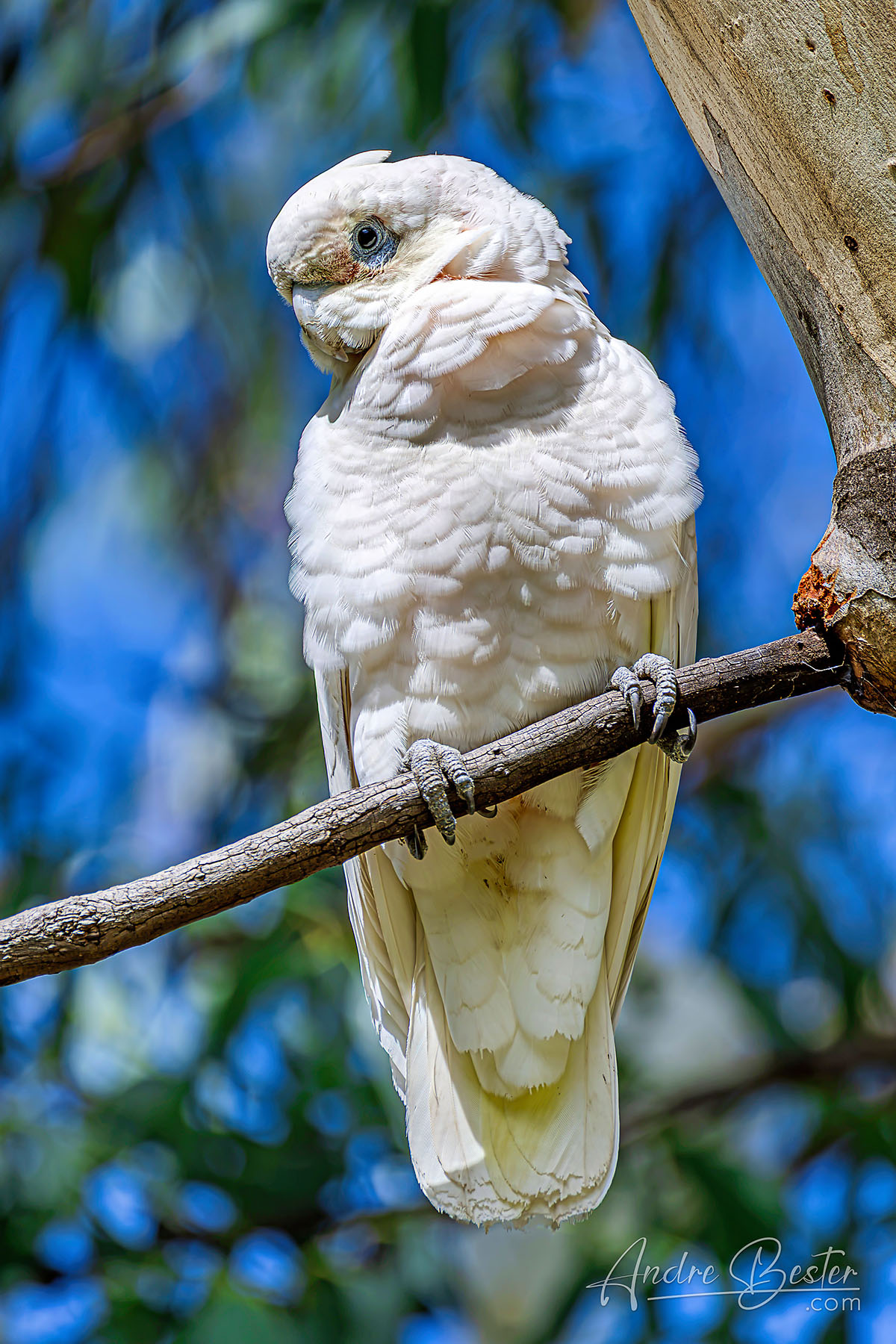
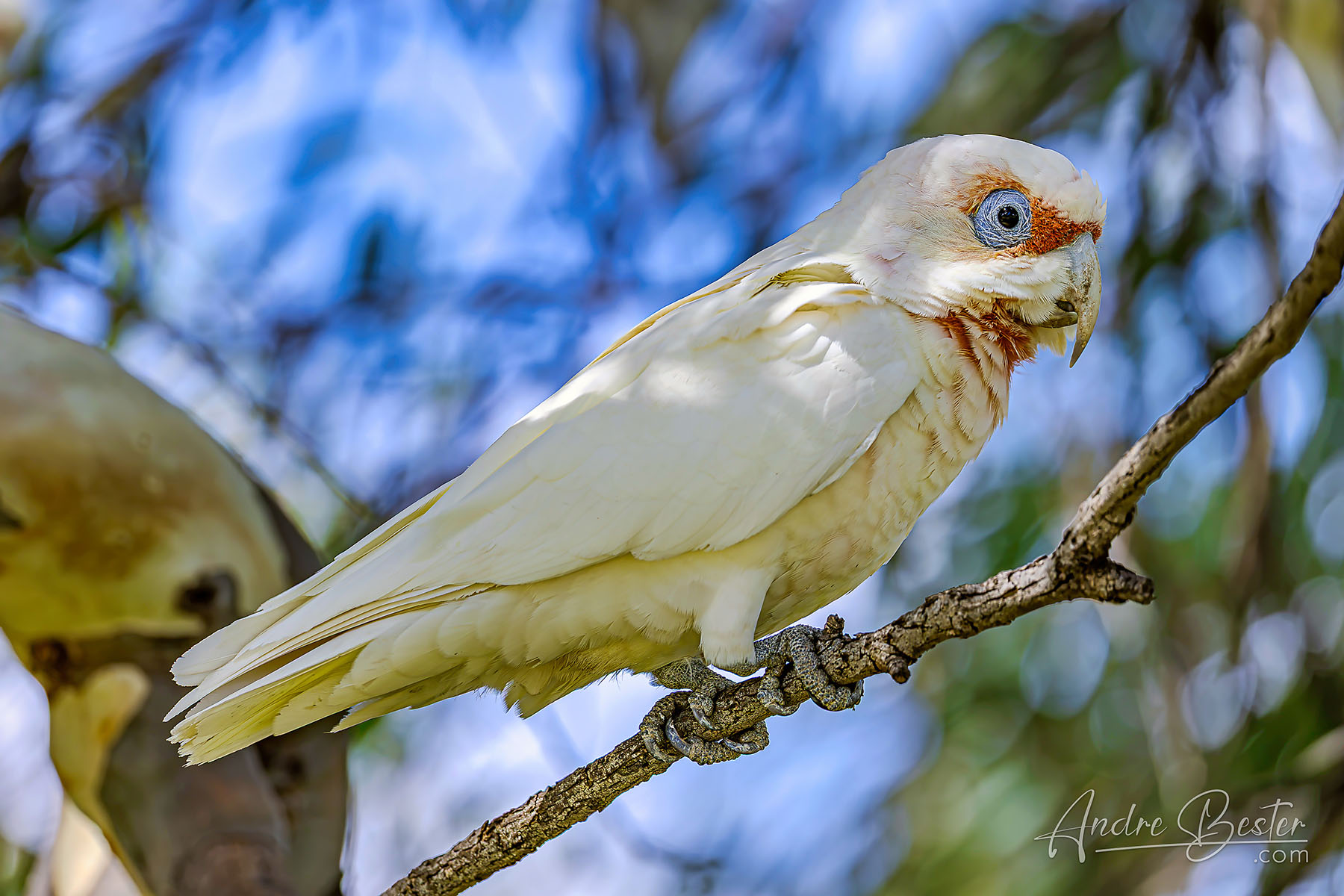
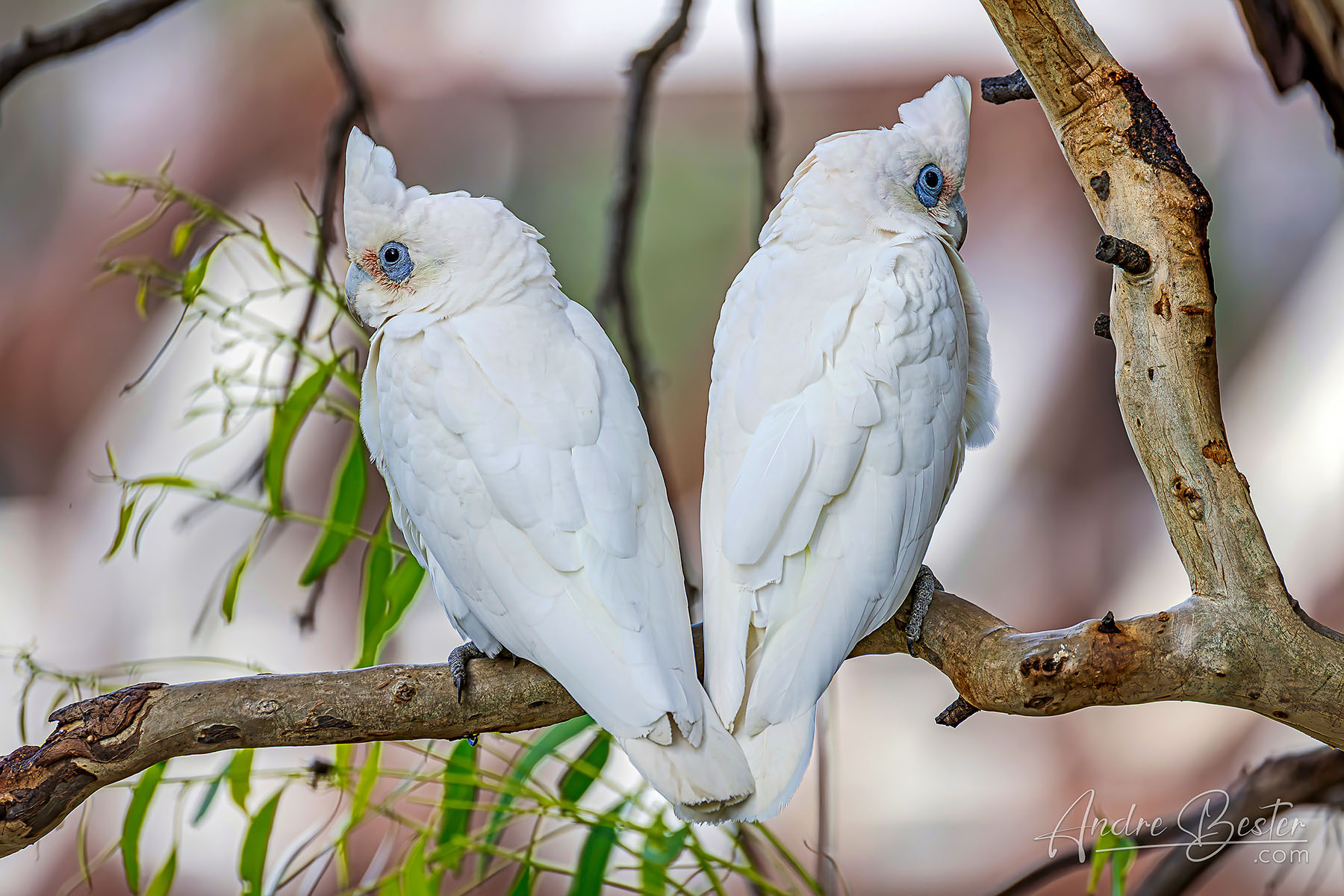
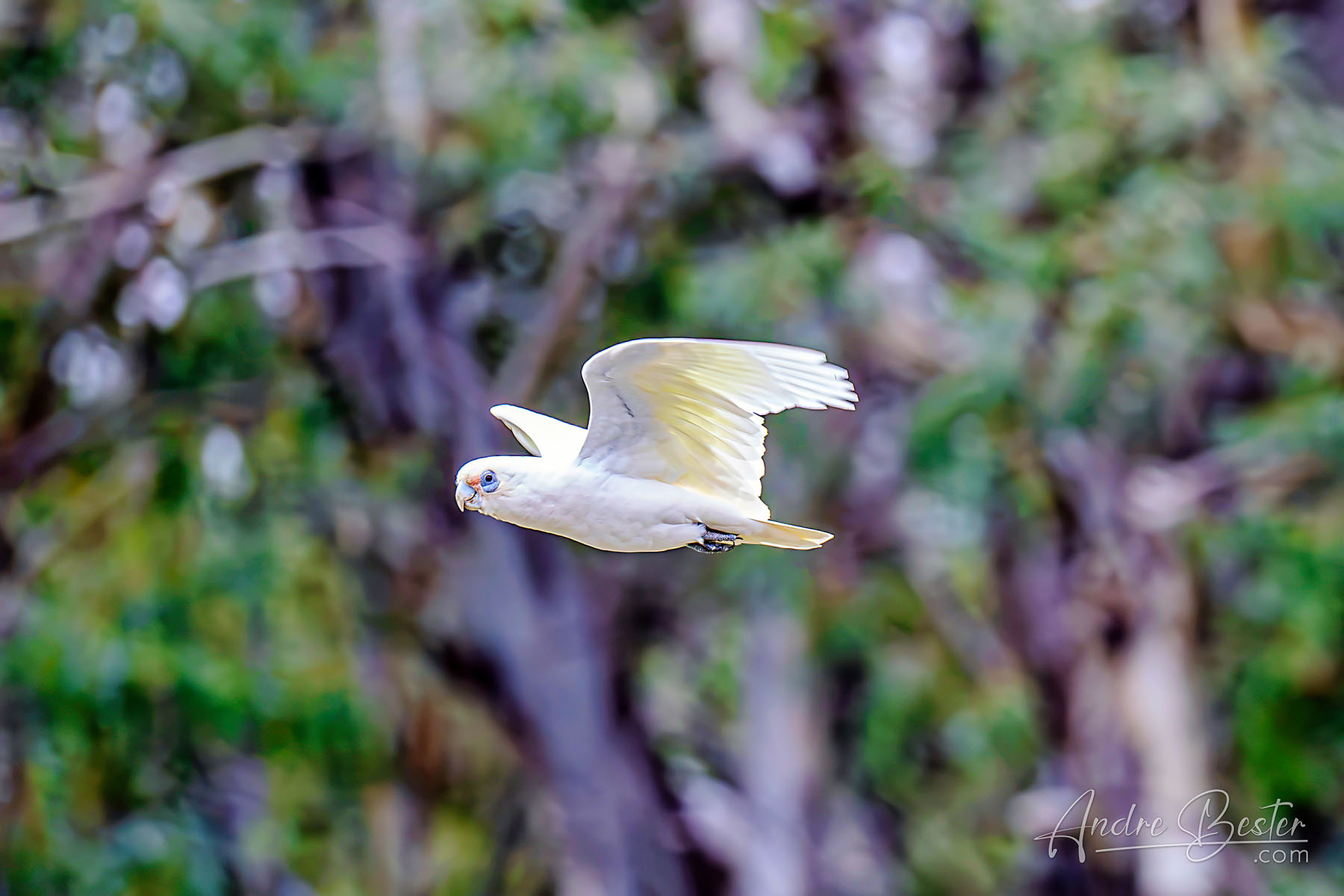
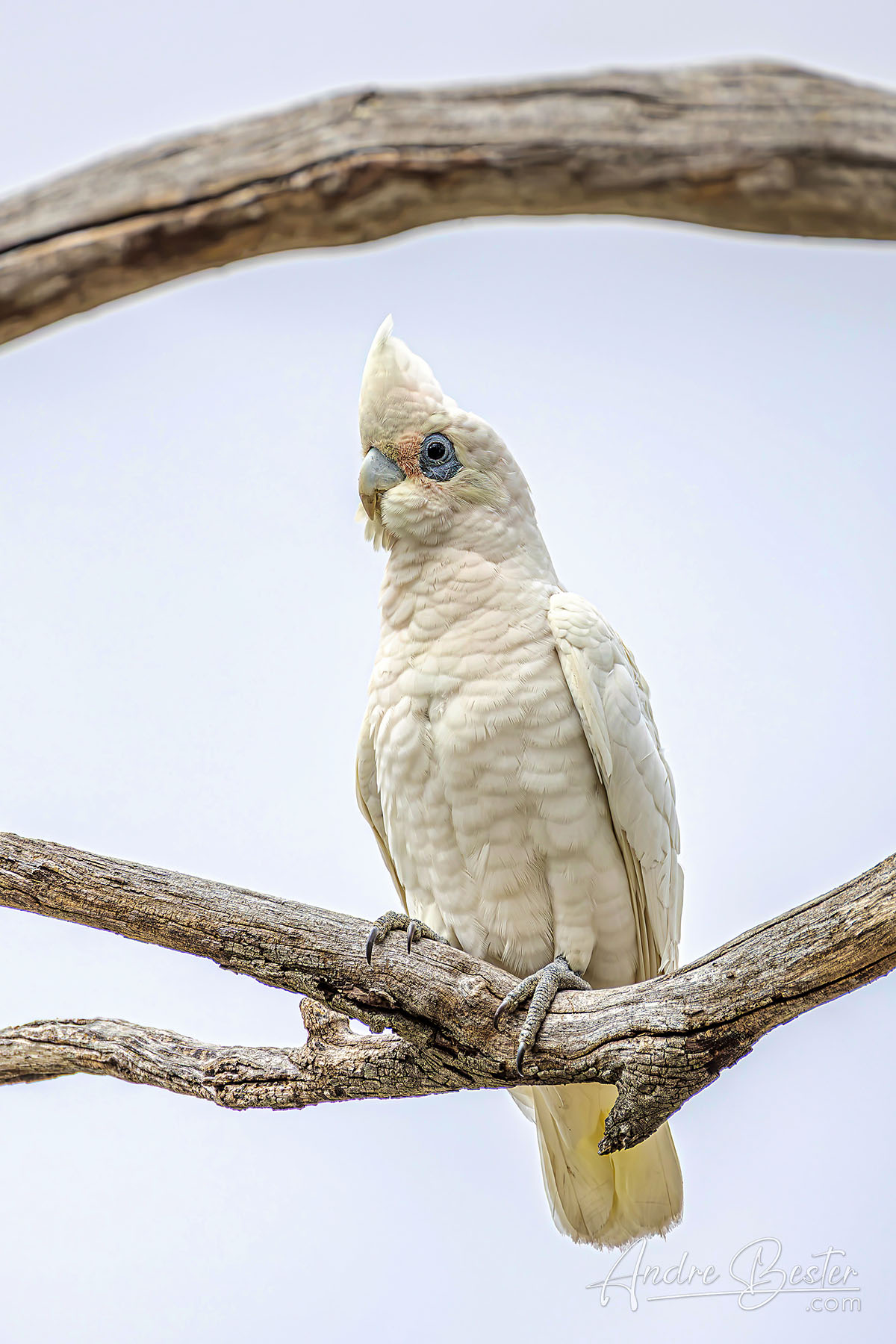
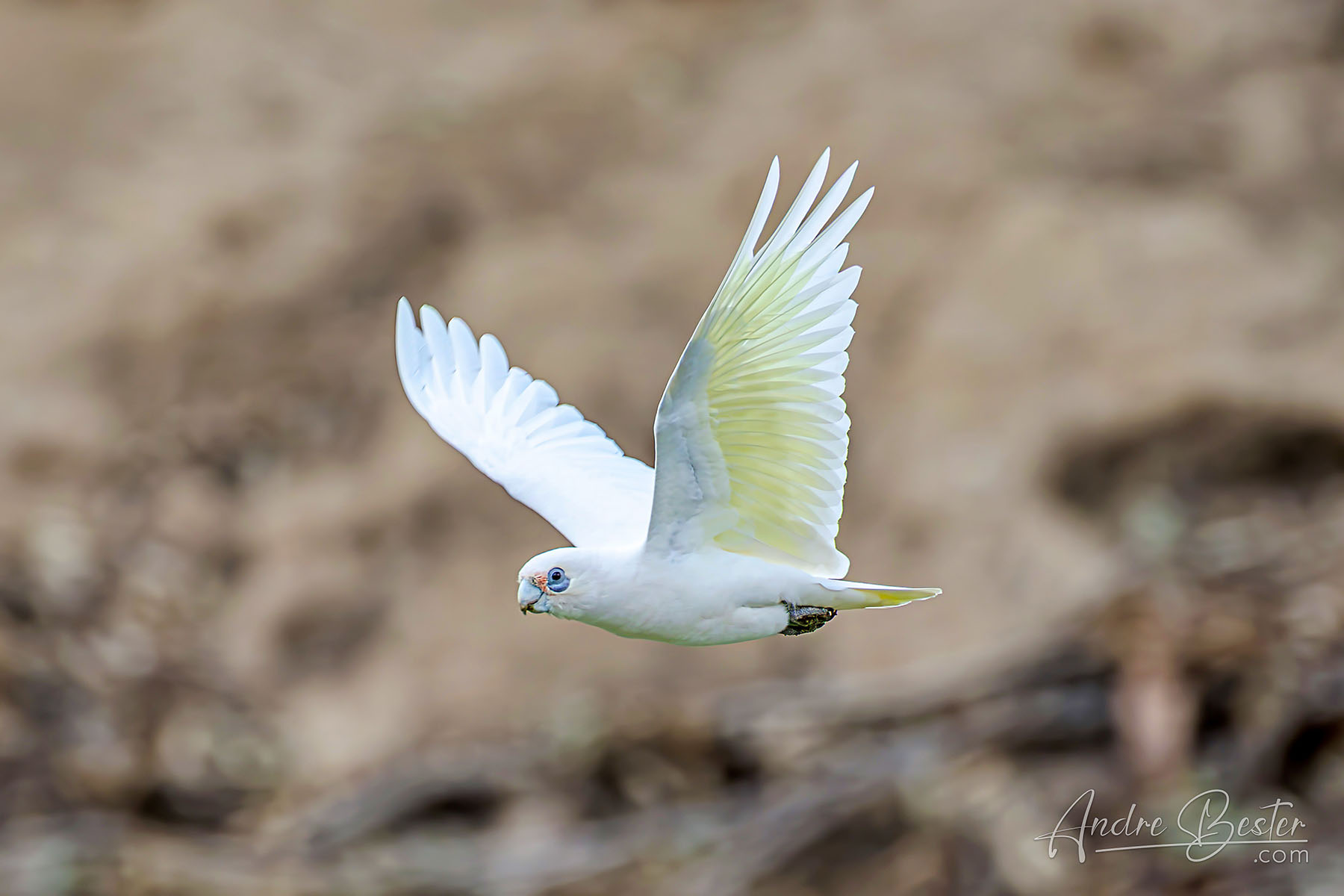
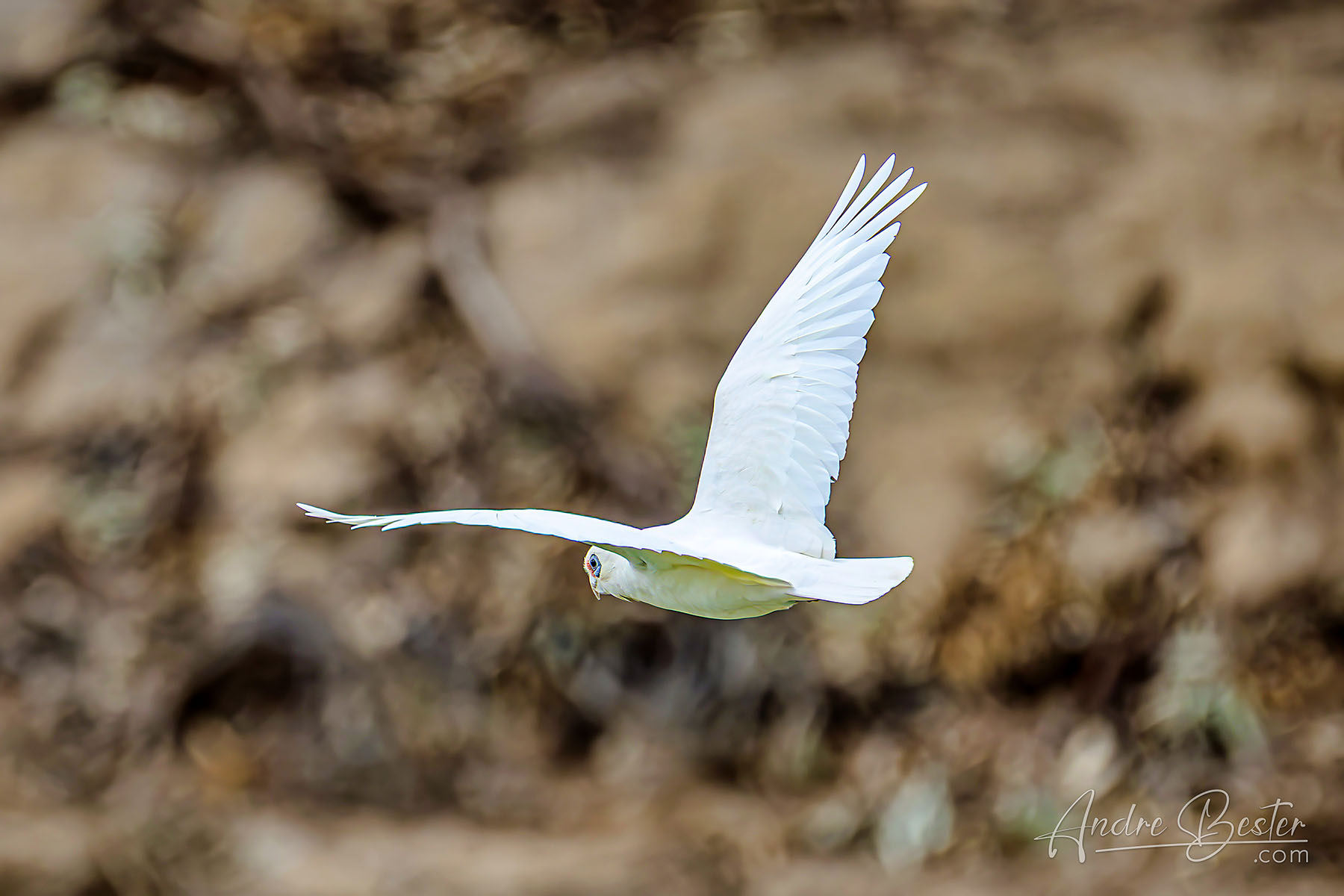
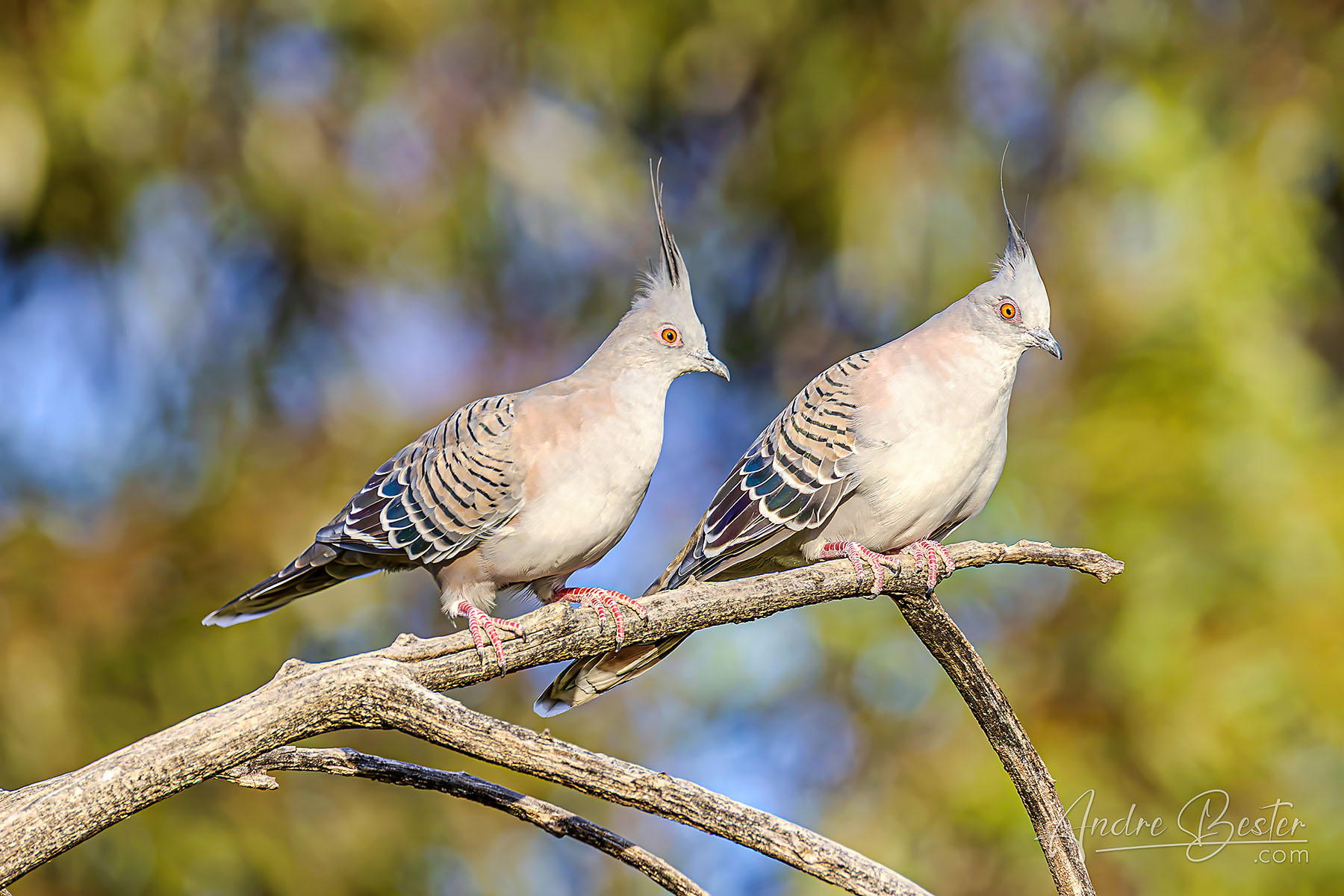
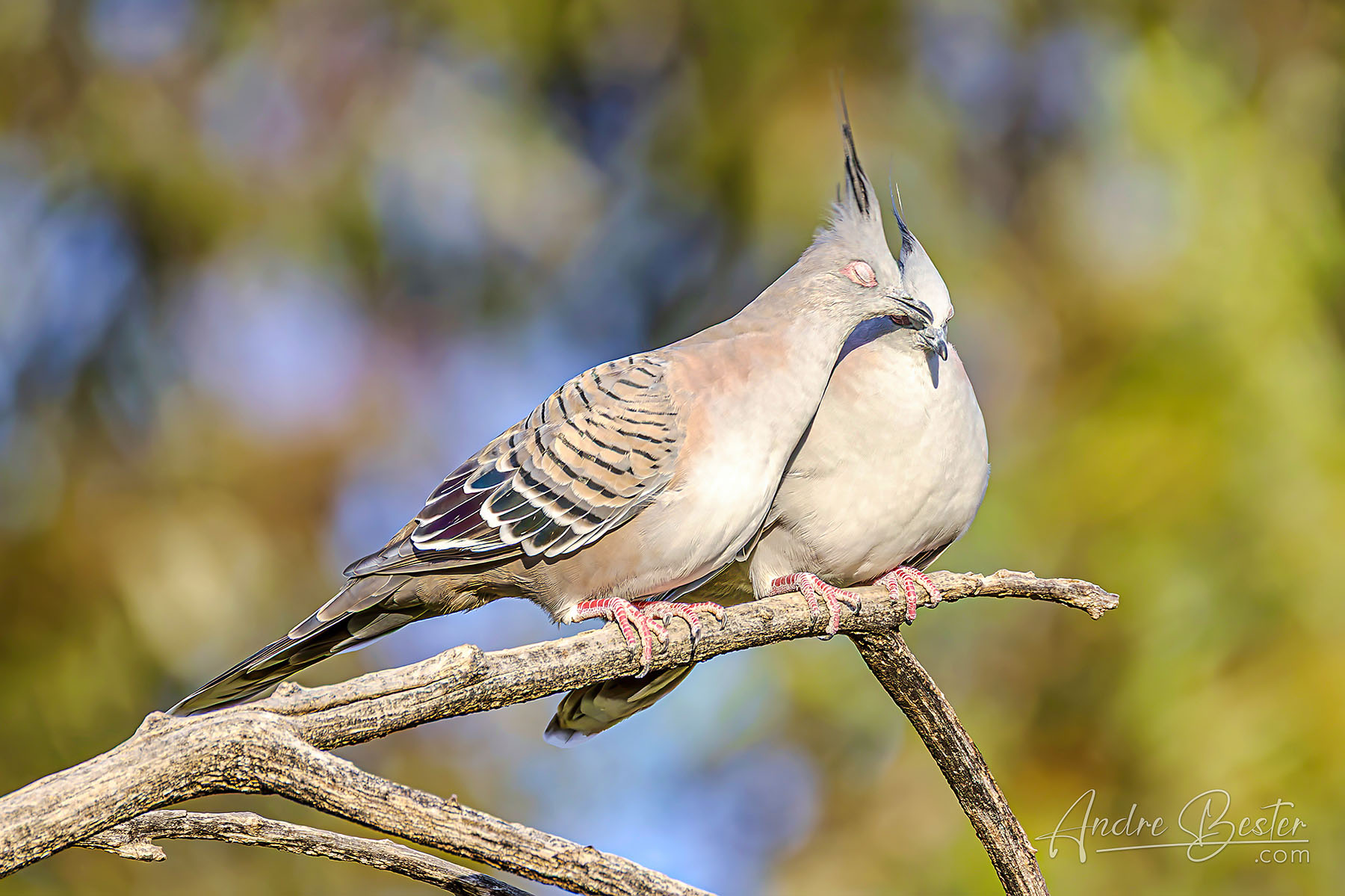
I took photos of a cockatoo, a type of parrot native to Australia and nearby regions. Cockatoos are recognized by their crests, curved bills and strong feet, which help them climb and handle food. Their diet includes seeds, nuts, fruit and plant material. They are often found in woodlands, parks and farmland, where they may gather in flocks.
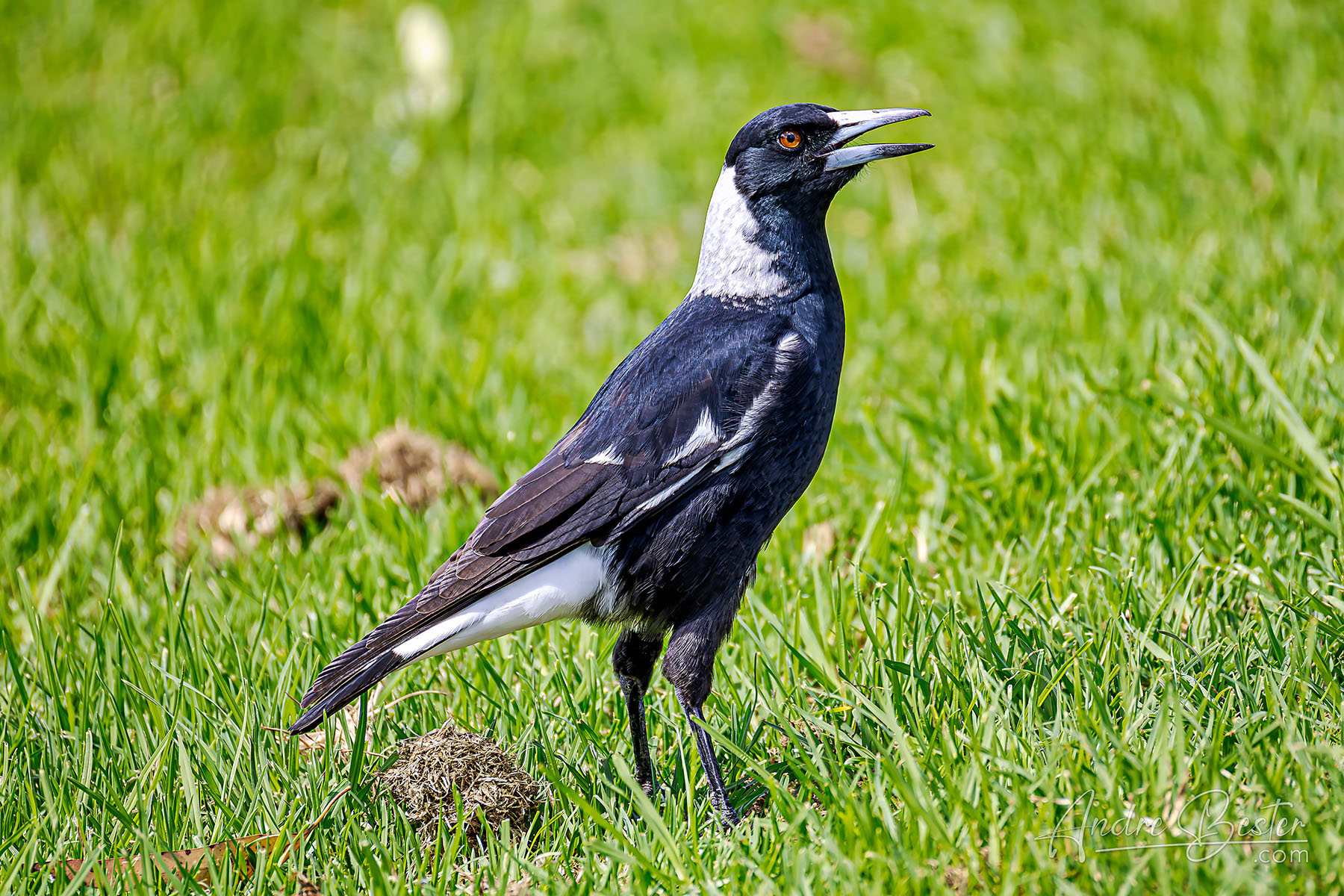
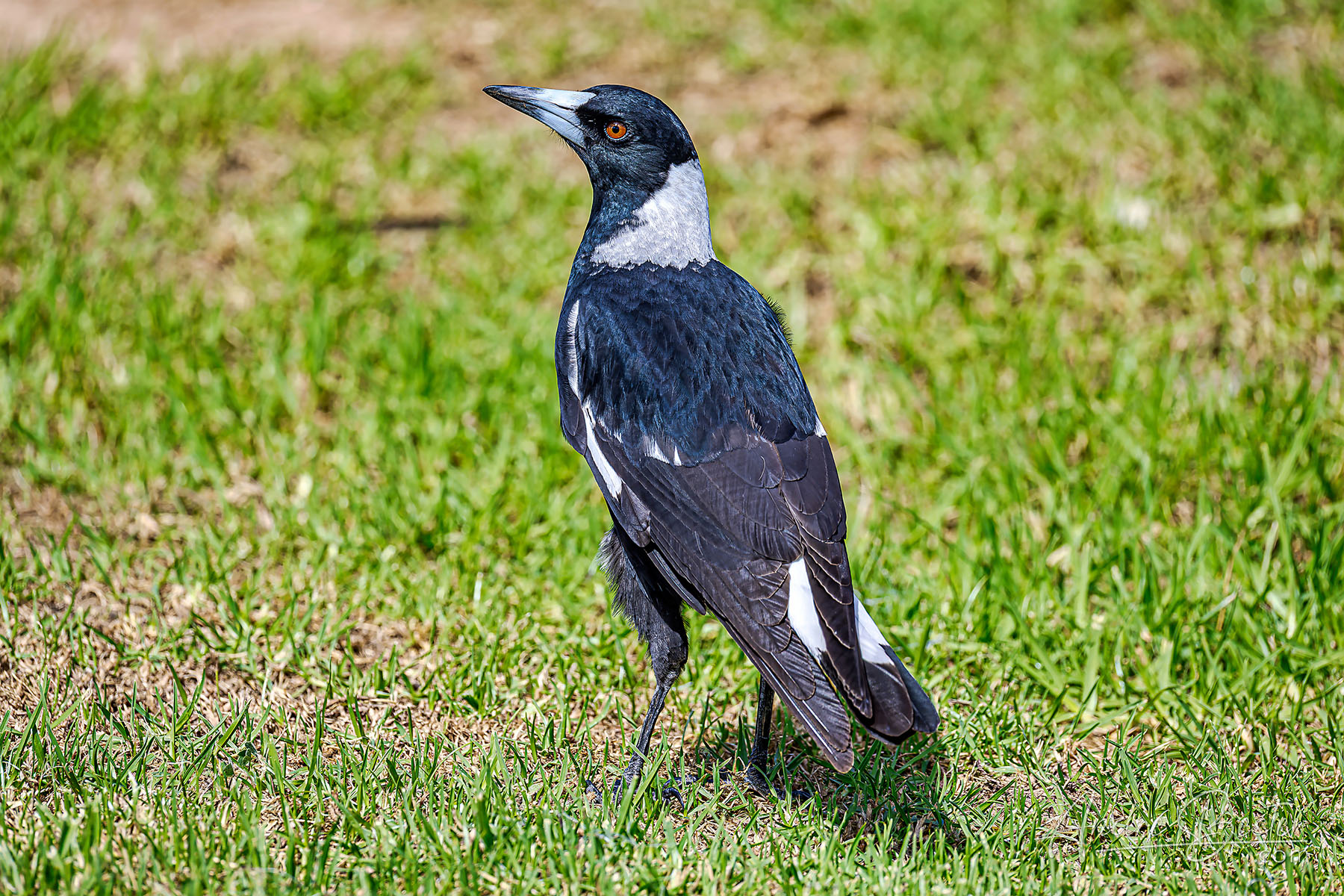
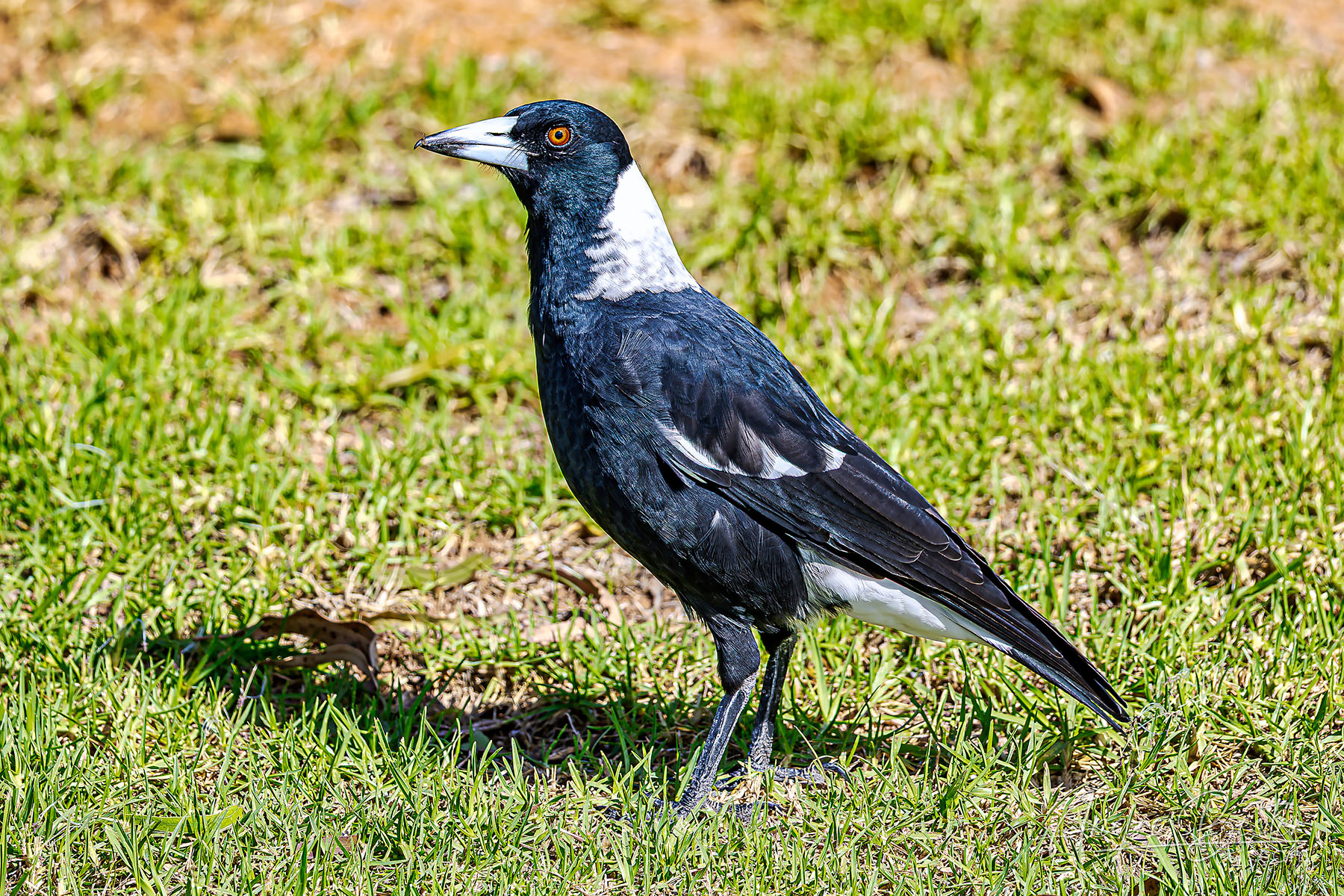
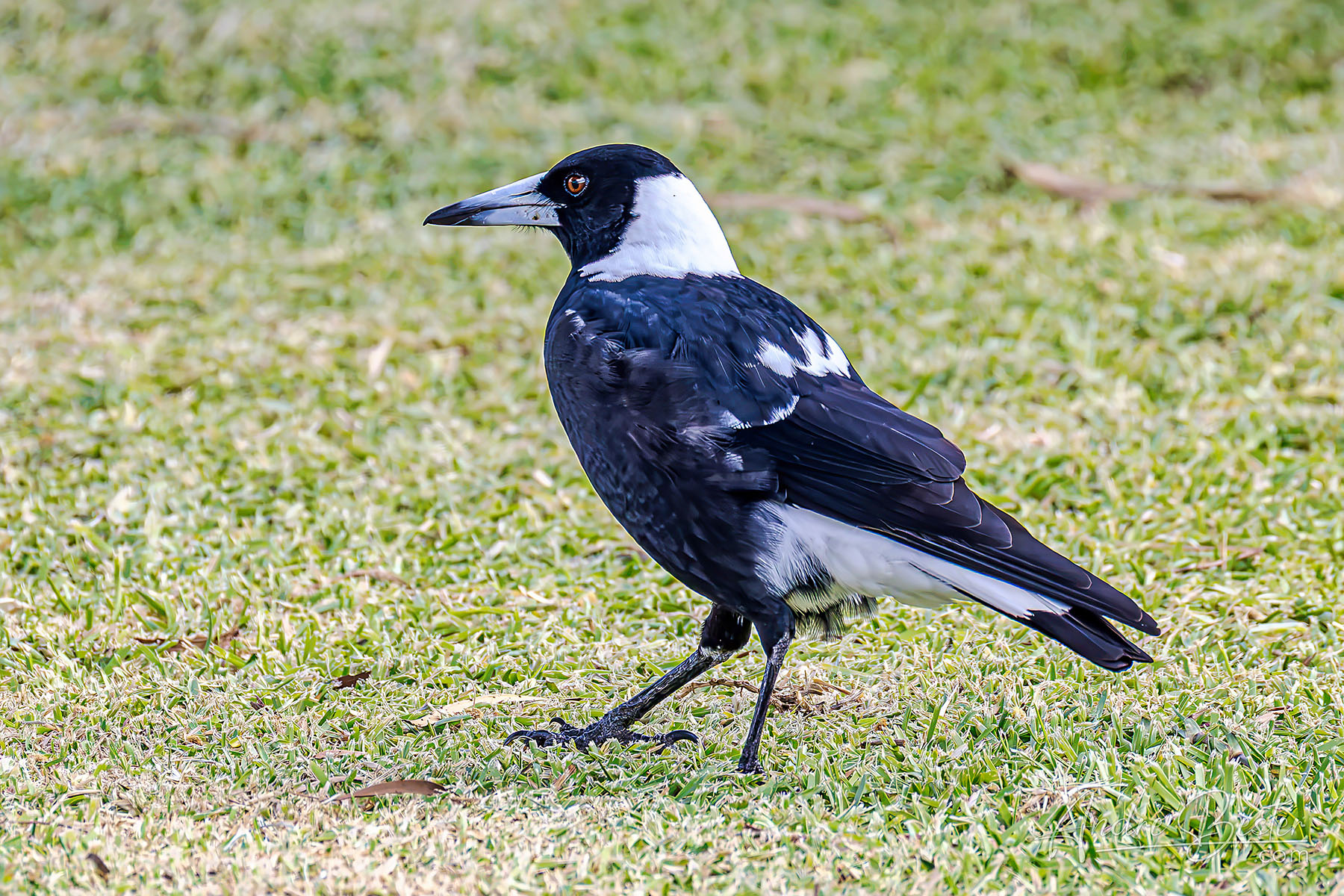
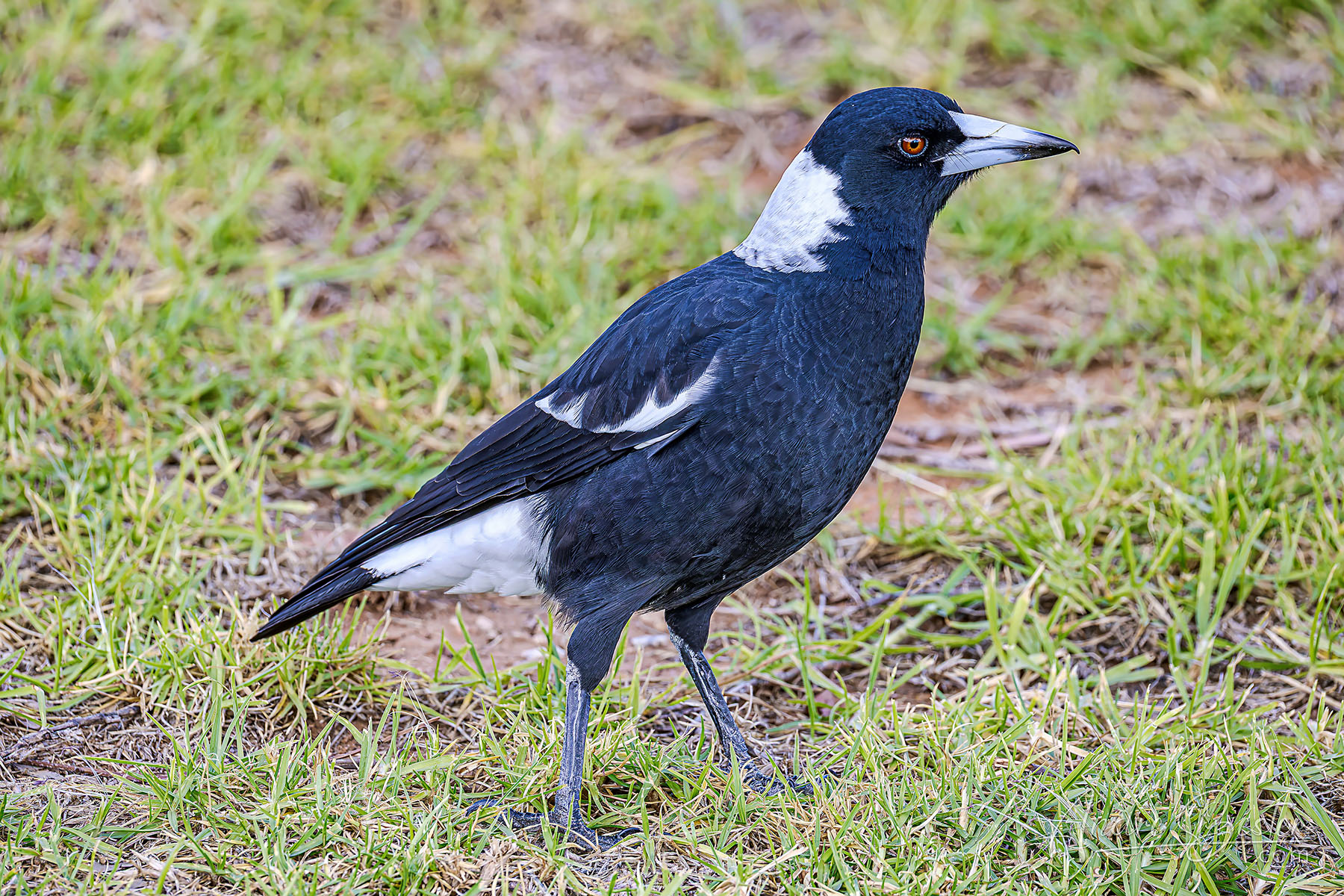
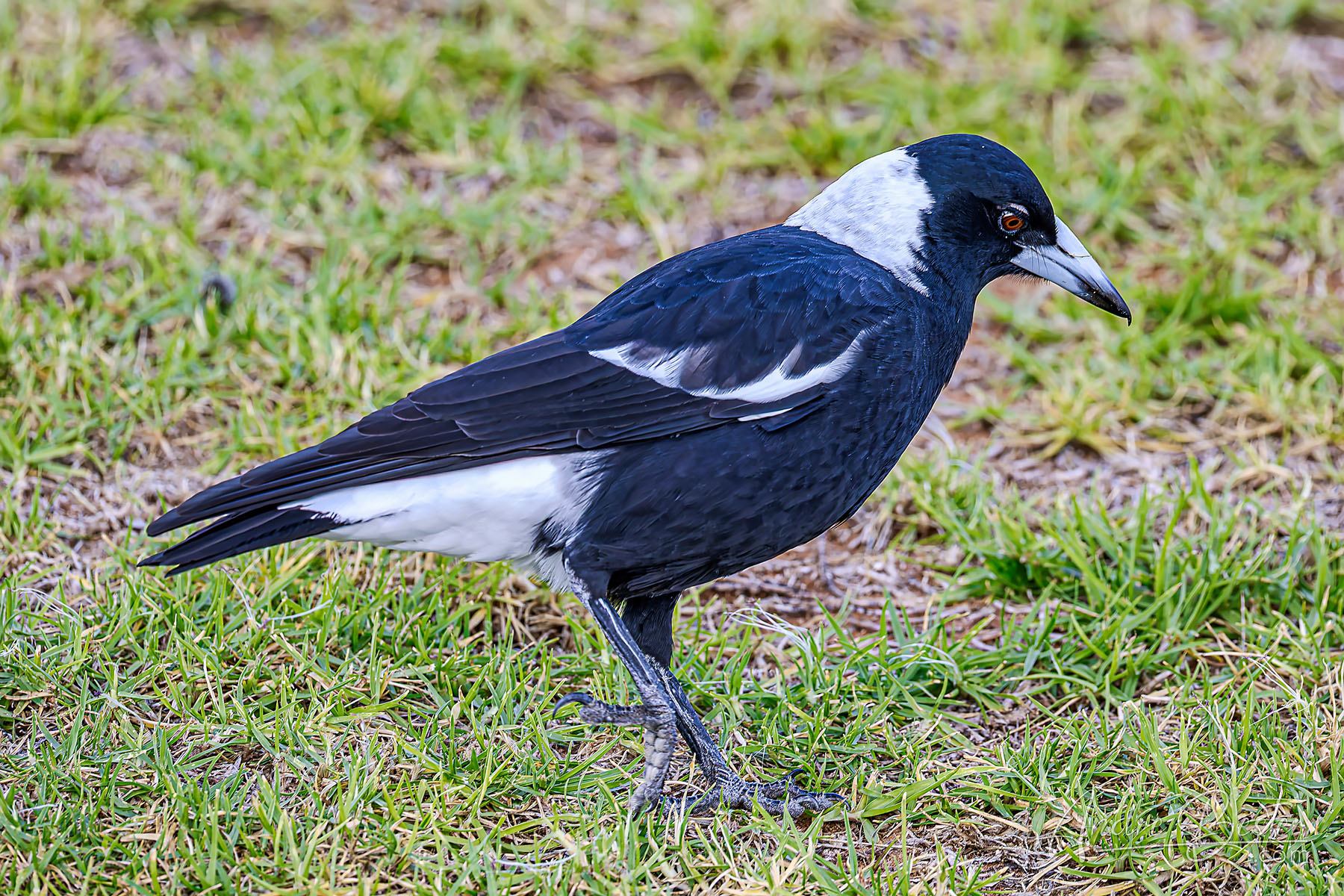
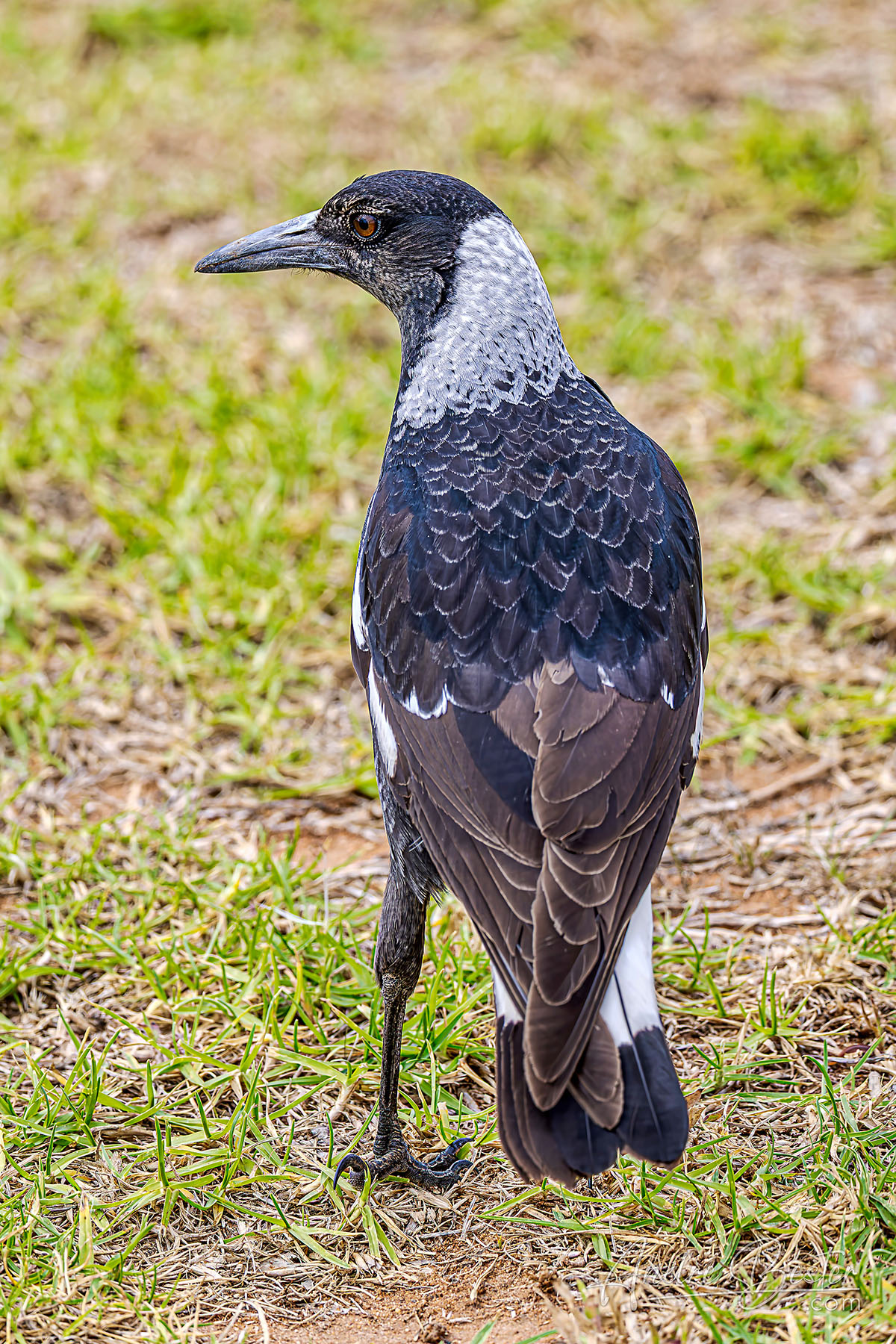
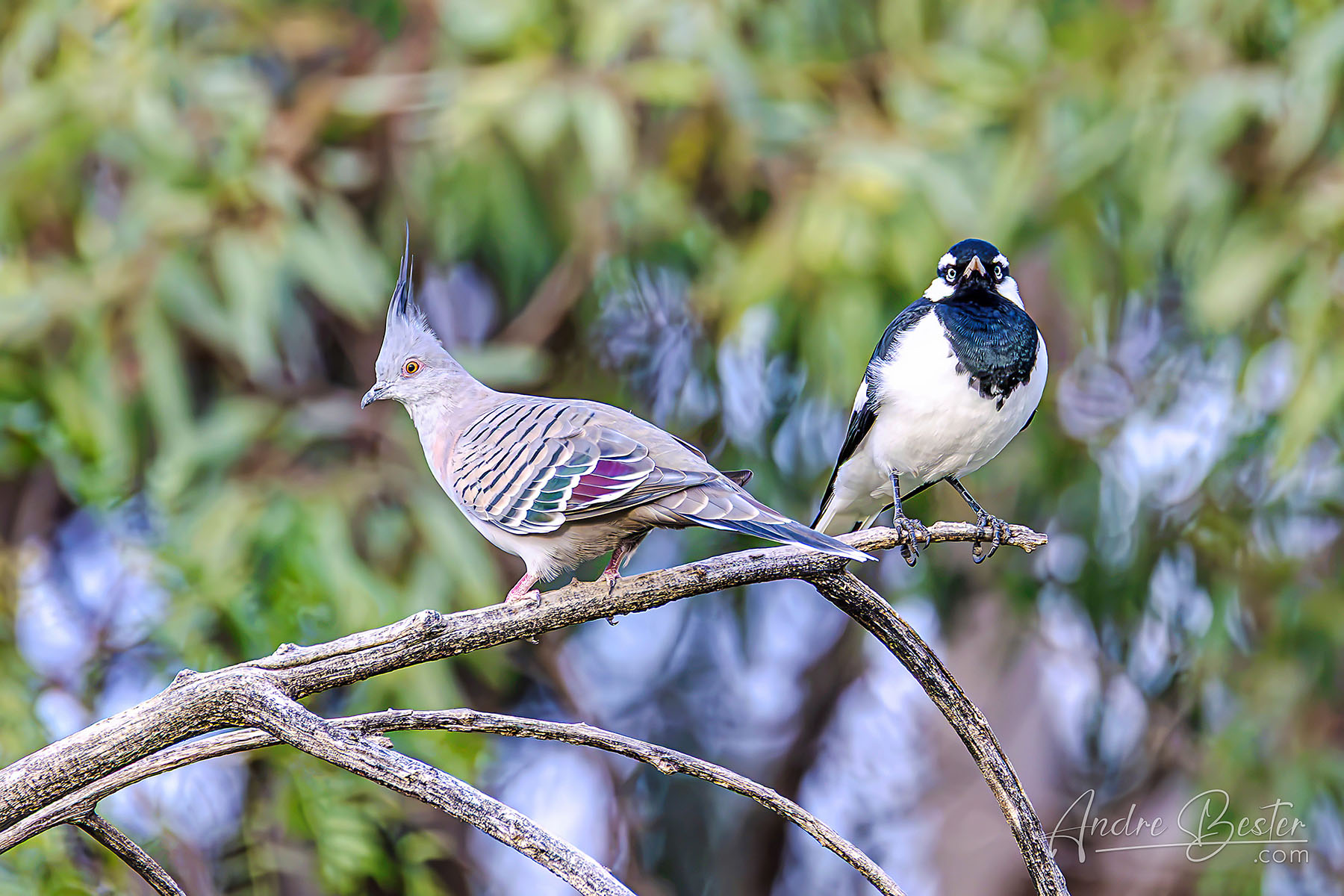
During my visit to Swan Hill in Victoria, I took photos of an Australian Magpie, a bird commonly found across much of Australia. Australian Magpies are known for their black-and-white plumage and their ability to produce a range of calls, including complex songs. They live in a variety of habitats, including parks, gardens, farmland and open grasslands, where they search for insects, worms and other small animals on the ground. These birds often remain in the same territory throughout the year and may live in groups.
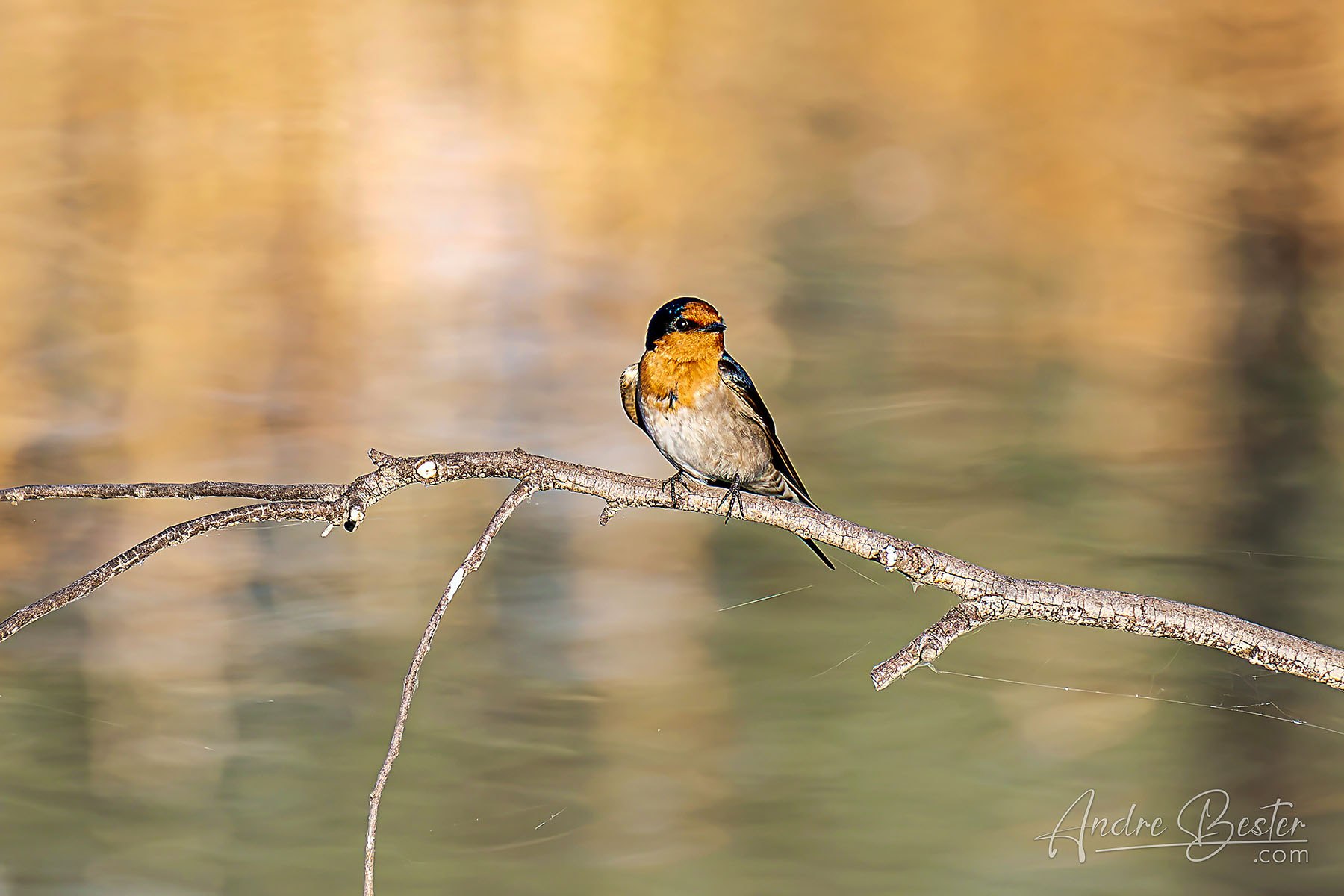
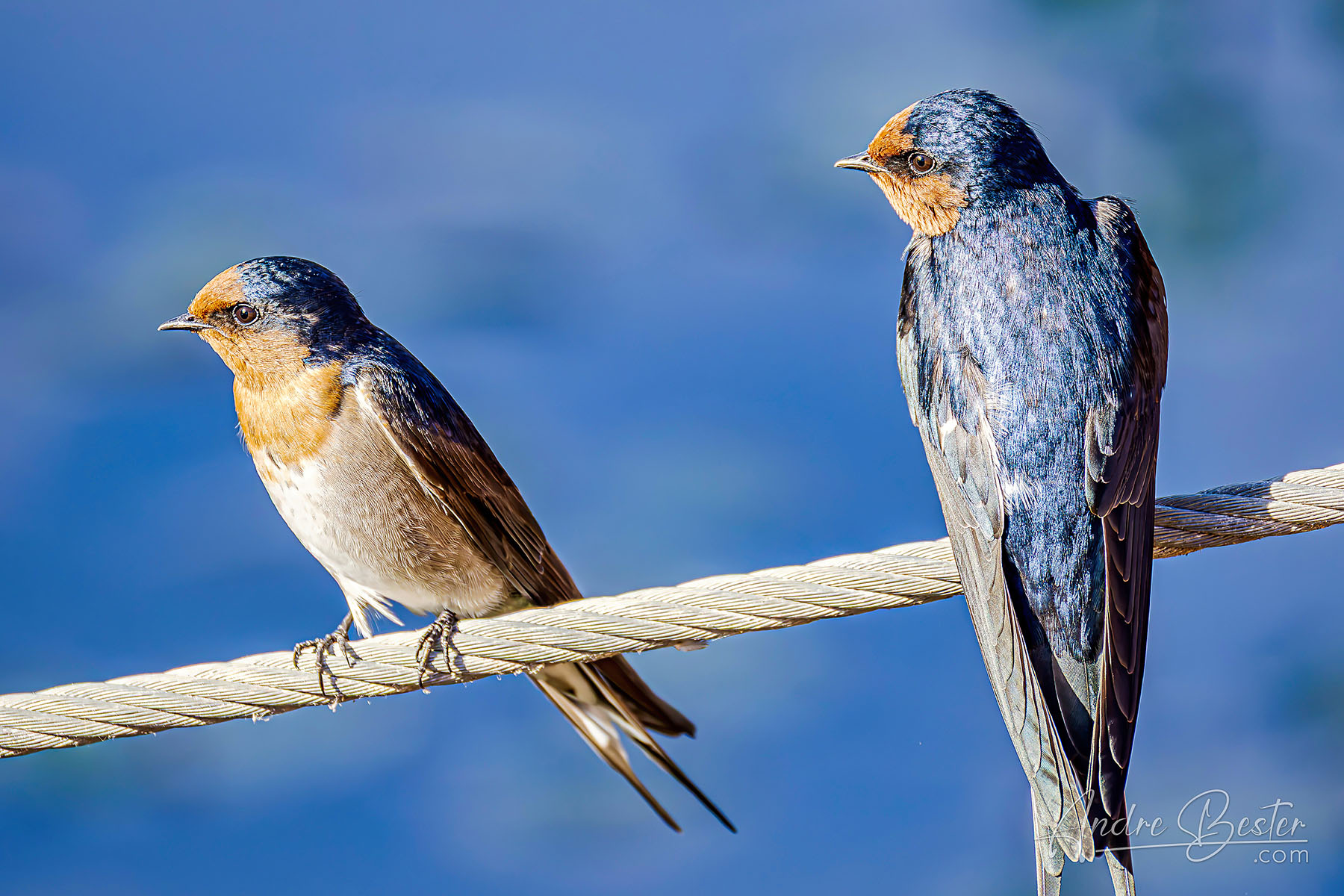
I took photos of a bird I identified as a Barn Swallow. Barn Swallows feed on insects caught in flight and are known for their forked tails and pointed wings. They are found across many parts of the world and often hunt over open fields and waterways.
I took photos of a Blue-faced Honeyeater, a native Australian bird recognized by the blue skin around its eyes. These birds feed on nectar, fruit and insects, using their long, curved bills to reach food in flowers and trees. They are often found in woodlands, gardens and areas with flowering plants.
The Common Moorhen is a waterbird found around wetlands, ponds and lakes. It feeds on aquatic plants, seeds and small invertebrates, often searching for food along the water’s edge. Common Moorhens have dark plumage, a red bill with a yellow tip and long toes that help them move through vegetation.
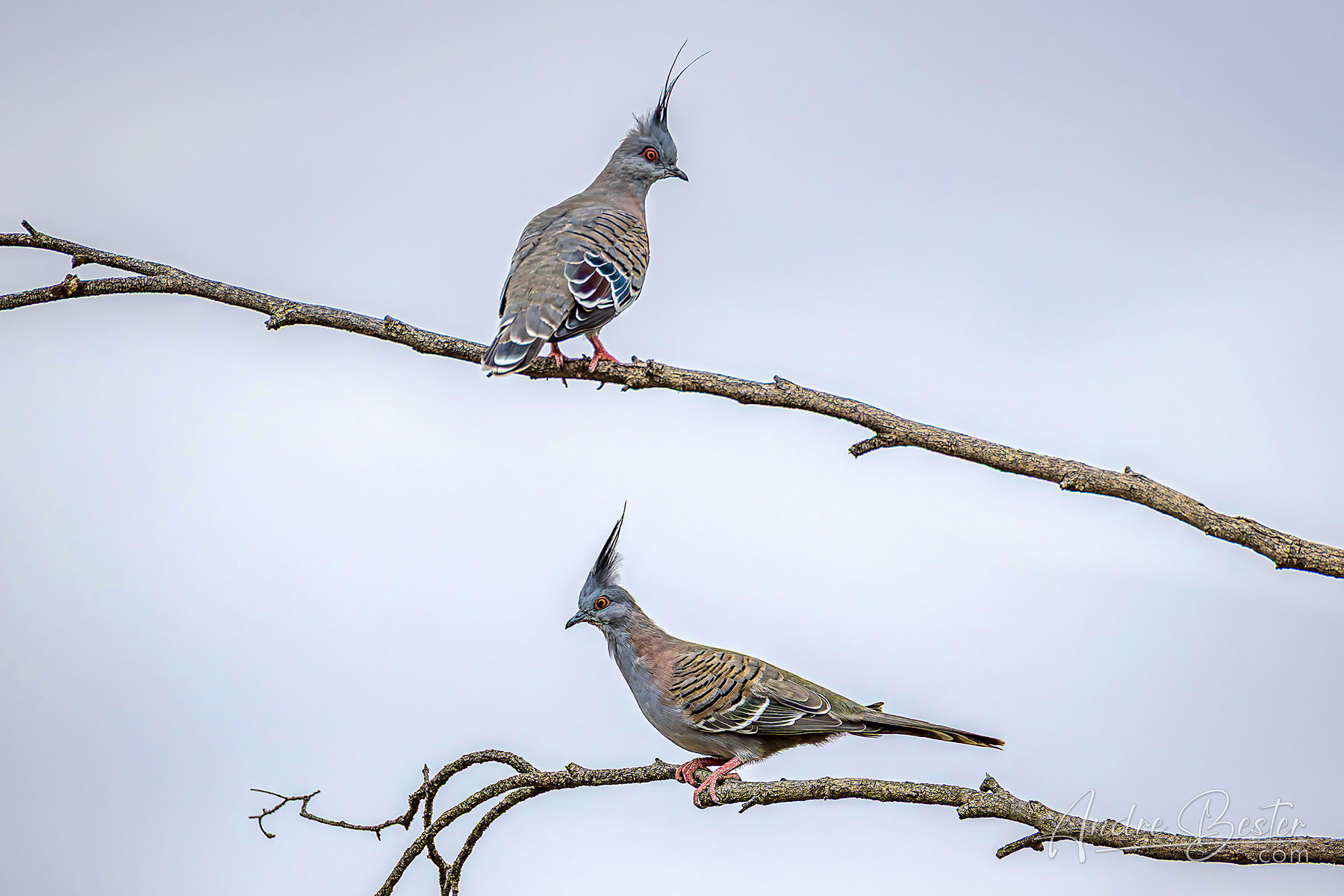
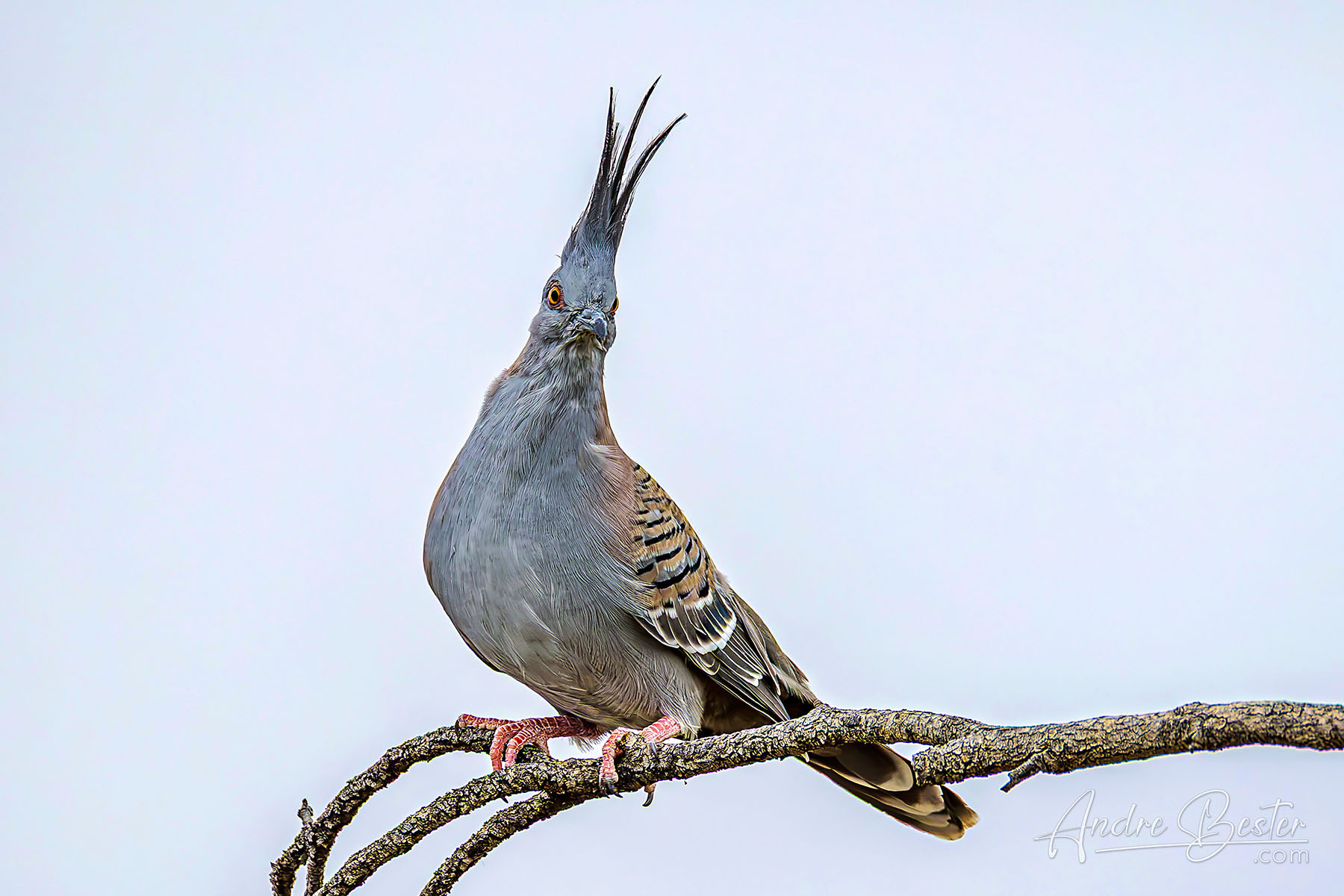
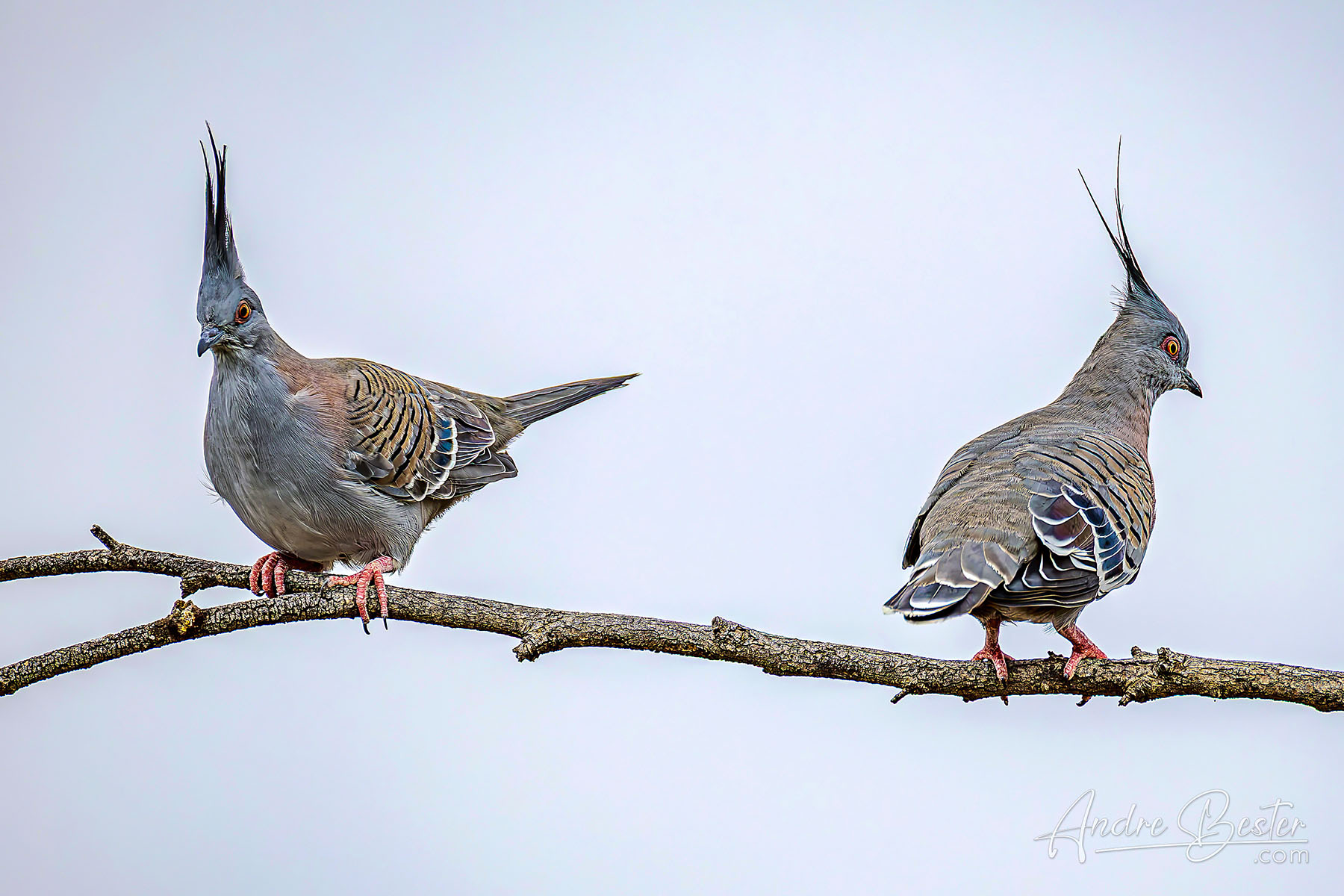
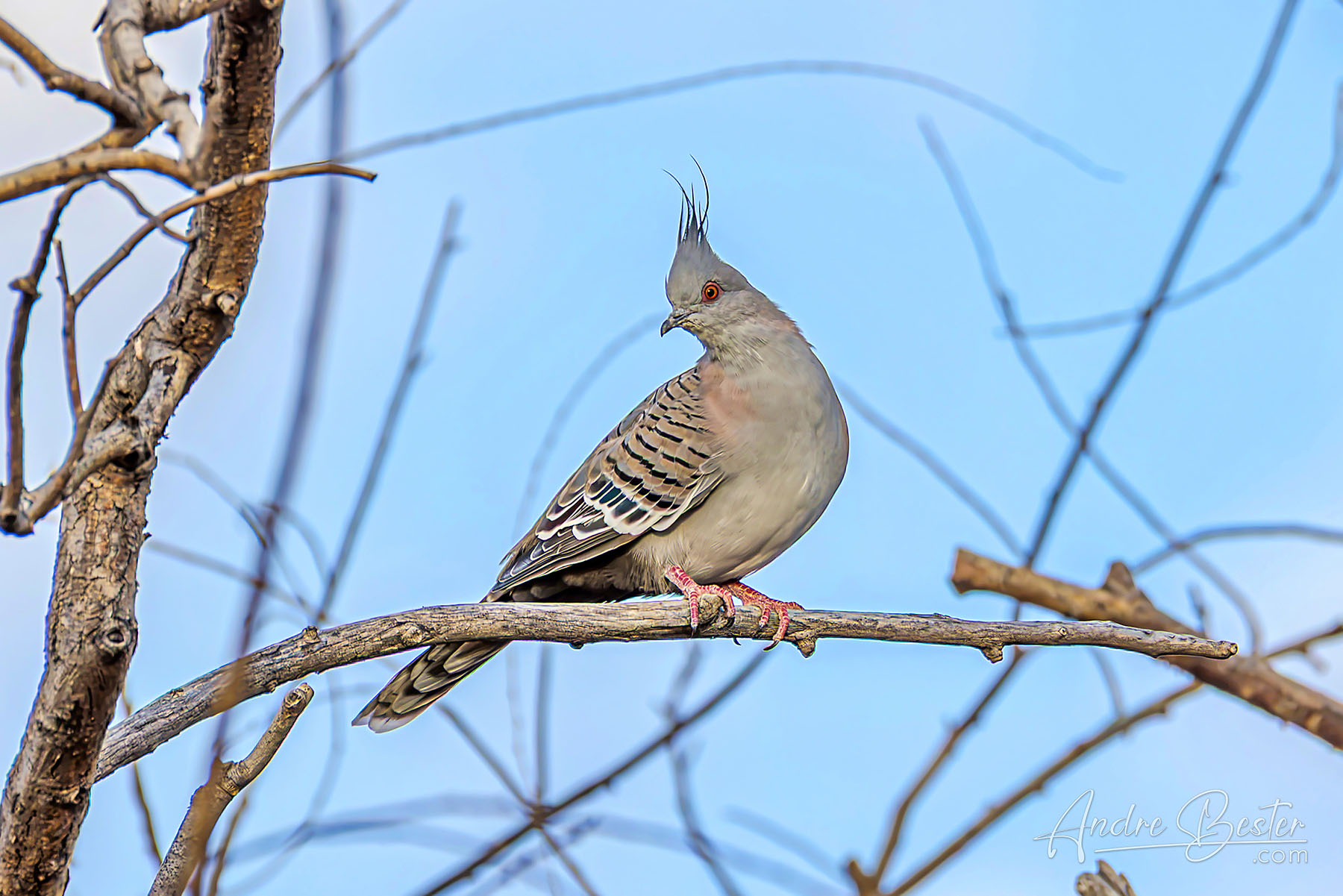
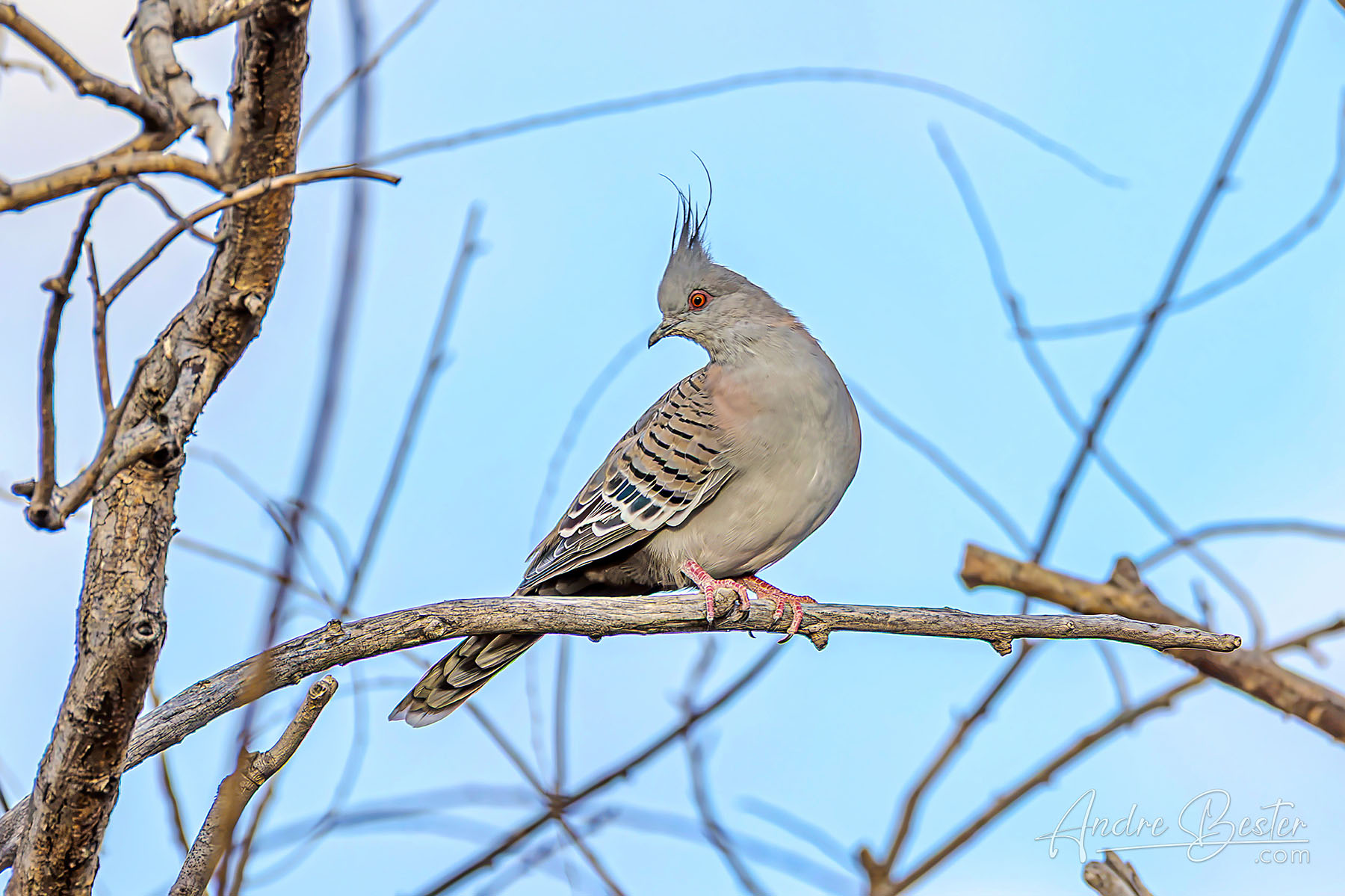
A Crested Pigeon is a bird native to Australia. It can be identified by the narrow crest on its head and the black markings on its wings. Crested Pigeons feed mainly on seeds and are commonly found in grasslands, farmland, parks and urban areas. When taking off, they produce a whistling sound with their wings, which can help alert other birds to danger.